Guitar
My DIY guitar project
Finished Build First
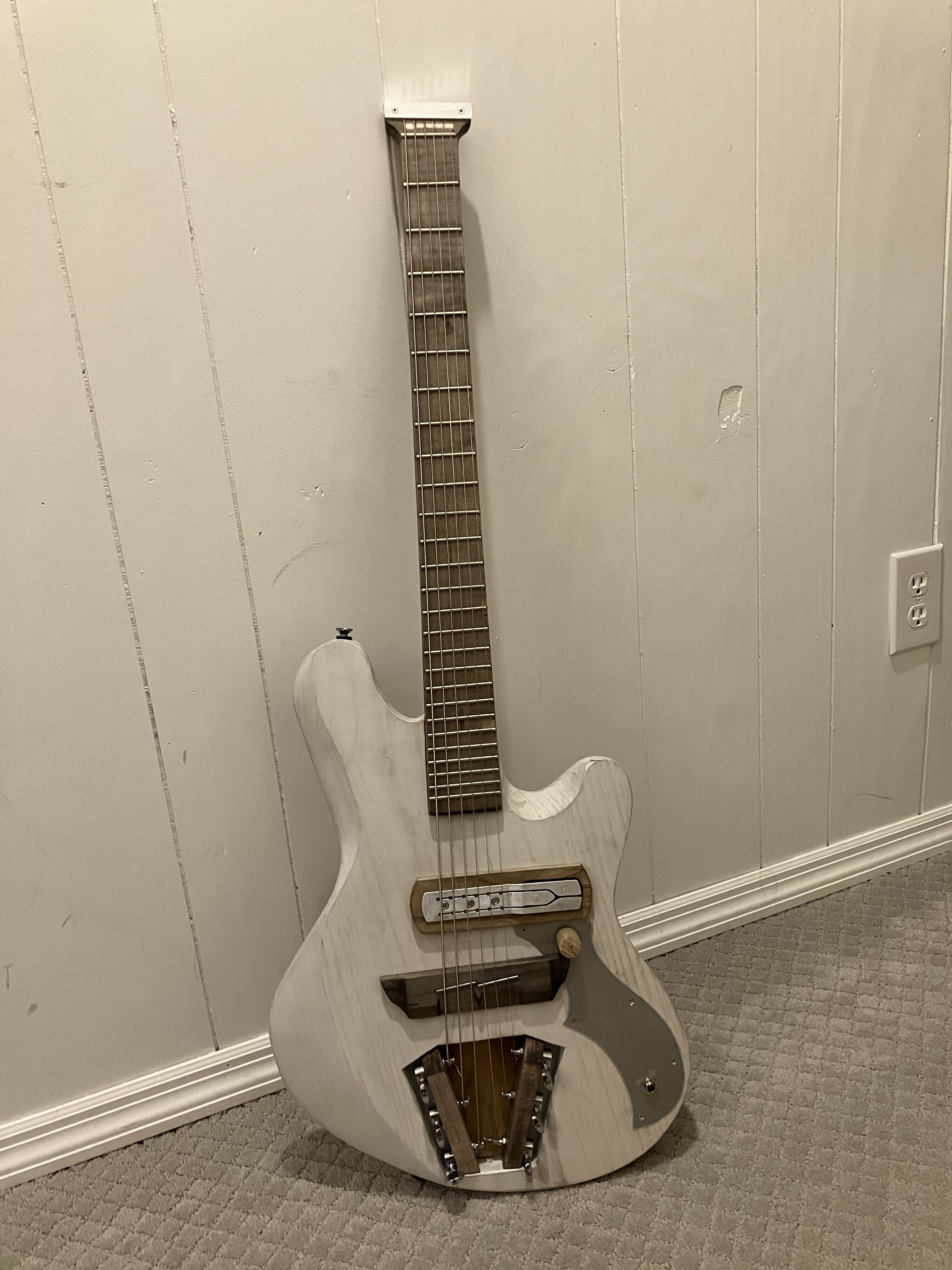
Figure 1: Spoiler Alert!
Guitar Dimensions
I like using the computer, but I also like building physical things. Recently I played some types of guitars in my local music store that I hadn't tried before and came away with new opinions. First I played a normal Squier Tele, then a baritone Squier Tele, and then a Squier Bass VI. The baritone felt to me like a normal guitar, but the Bass VI felt weird and I didn't like it.
On reflection I think my feelings were due to the instrument's geometry. The combination of the 30" scale length with six tightly-spaced strings (and all of them wound strings) just felt wrong. Too much string and not enough space.
At the time this was my guitar collection:
| make | model | type | scale length (inches) | number of frets |
|---|---|---|---|---|
| Gibson | Blueshawk | semi-hollow electric | 25.5 | 22 |
| Taylor | 314C | steel string acoustic/electric | 25.5 | 20 |
| Yamaha | ? | nylon string acoustic | ? | ? |
I also wanted to learn some advanced guitar techniques (double thumping in particular) and perhaps naively blamed my gear for my slow learning progress. I thought more generous string spacing would make this easier to learn. So rather than practicing more with the guitars I have, or even trying to buy a ready-made instrument closer to what I thought were more ideal specs, I decided to build one myself. I've had a desire to build a guitar for a while anyway and this was a perfect excuse.
So I drew up some sketches.
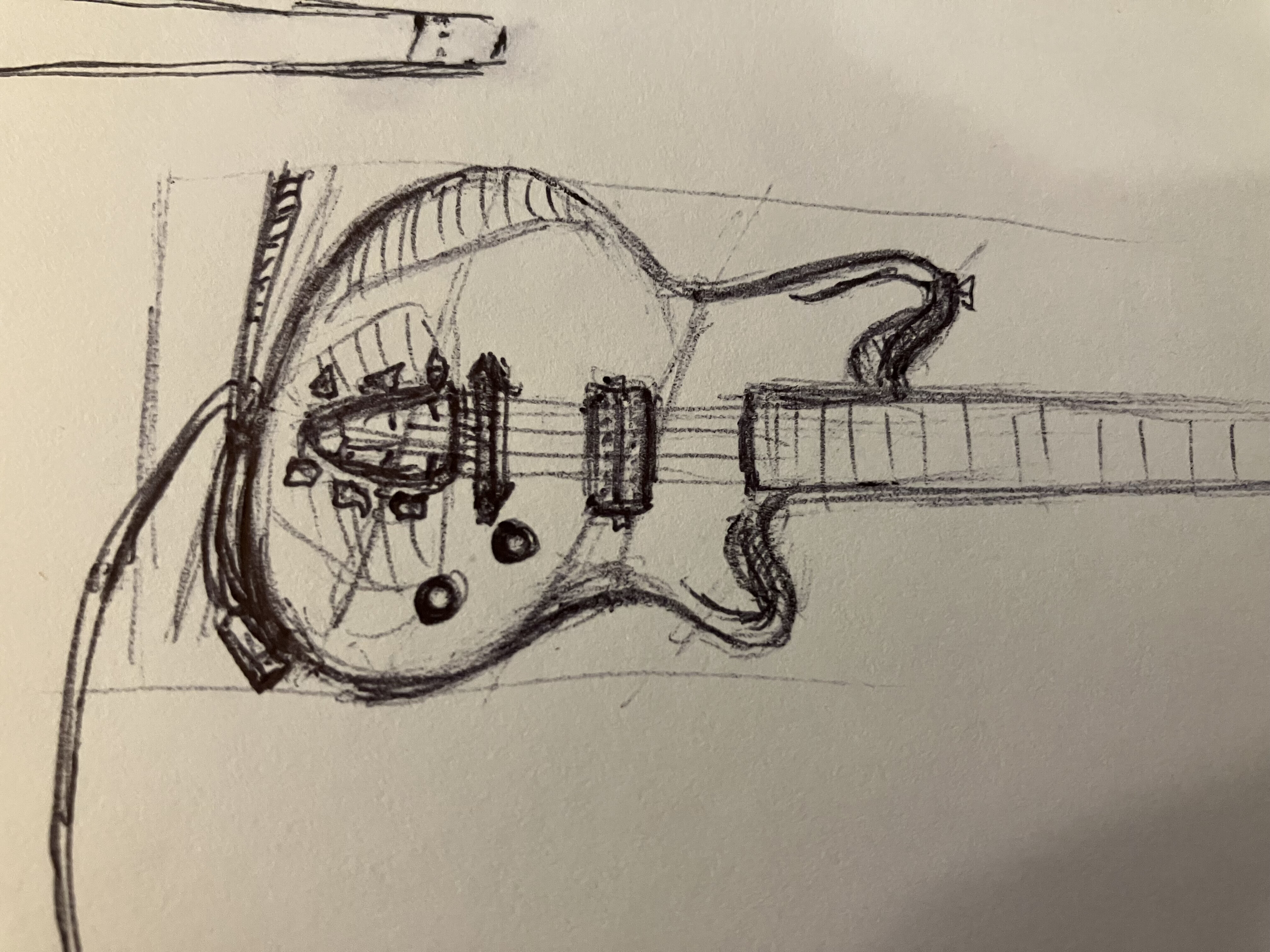
Figure 2: original body shape idea
And then a lot of time passed. Turns out it's easy to get caught up in armchair speculative design and internet research. This wasn't entirely unproductive time but I do wish I'd spent a little less time researching and more time prototyping. My questions were:
- Are truss rods necessary?
- What alternative materials or forms could serve the same purpose of correcting neck relief?
- Can I, with limited tools, fabricate my own headless tuner hardware?
- Should a nut have intonation compensation?
- What non-traditional neck shapes are comfortable?
- Can softwoods work for guitar bodies and/or necks?
I wanted to answer as many of these as I could with my guitar build. But I also wanted a baritone guitar. So I picked a string tension and a tuning, and built a custom set of strings using Stringjoy's online calculator.
| string | gauge (inch) | note | tension (lbs) | tension (kg) |
|---|---|---|---|---|
| 1 | .0135 | A3 | 17.5 | 7.875 |
| 2 | .018p | E3 | 17.4 | 7.83 |
| 3 | .024p | C3 | 19.5 | 8.775 |
| 4 | .036 | G2 | 19.4 | 8.73 |
| 5 | .050 | D2 | 20.9 | 9.405 |
| 6 | .068 | A1 | 20.8 | 9.36 |
| total | 115.5 | 51.975 |
Building (Finally)
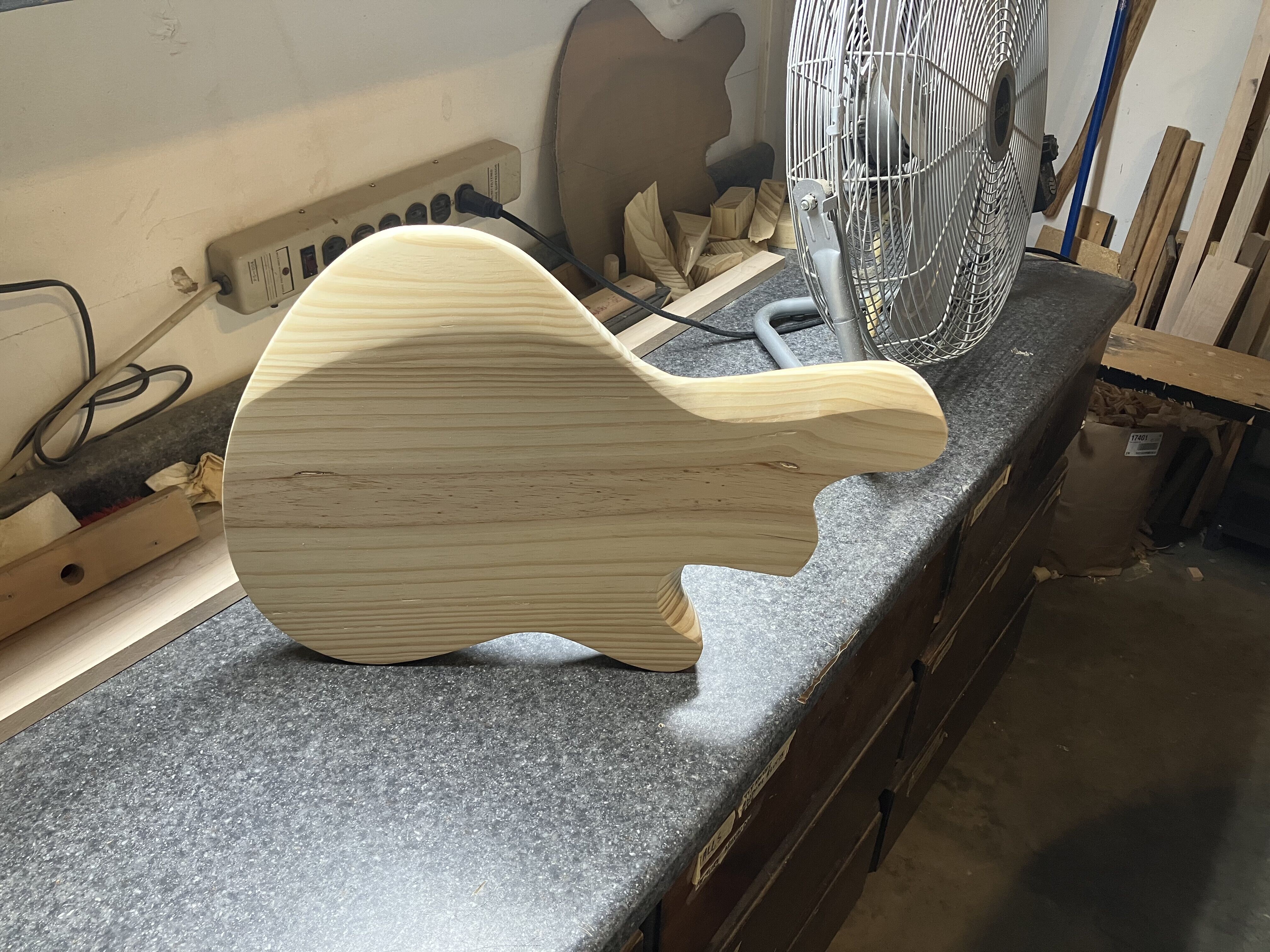
Figure 3: Baritone Body. The southern yellow pine body was easy to cut to a rough shape, but scraping and sanding was trickier because pine is so soft. When sanding curves it's far too easy to dig deep into the early wood and end up with a lot of woodgrain texture. That can make a good look but it wasn't my goal.
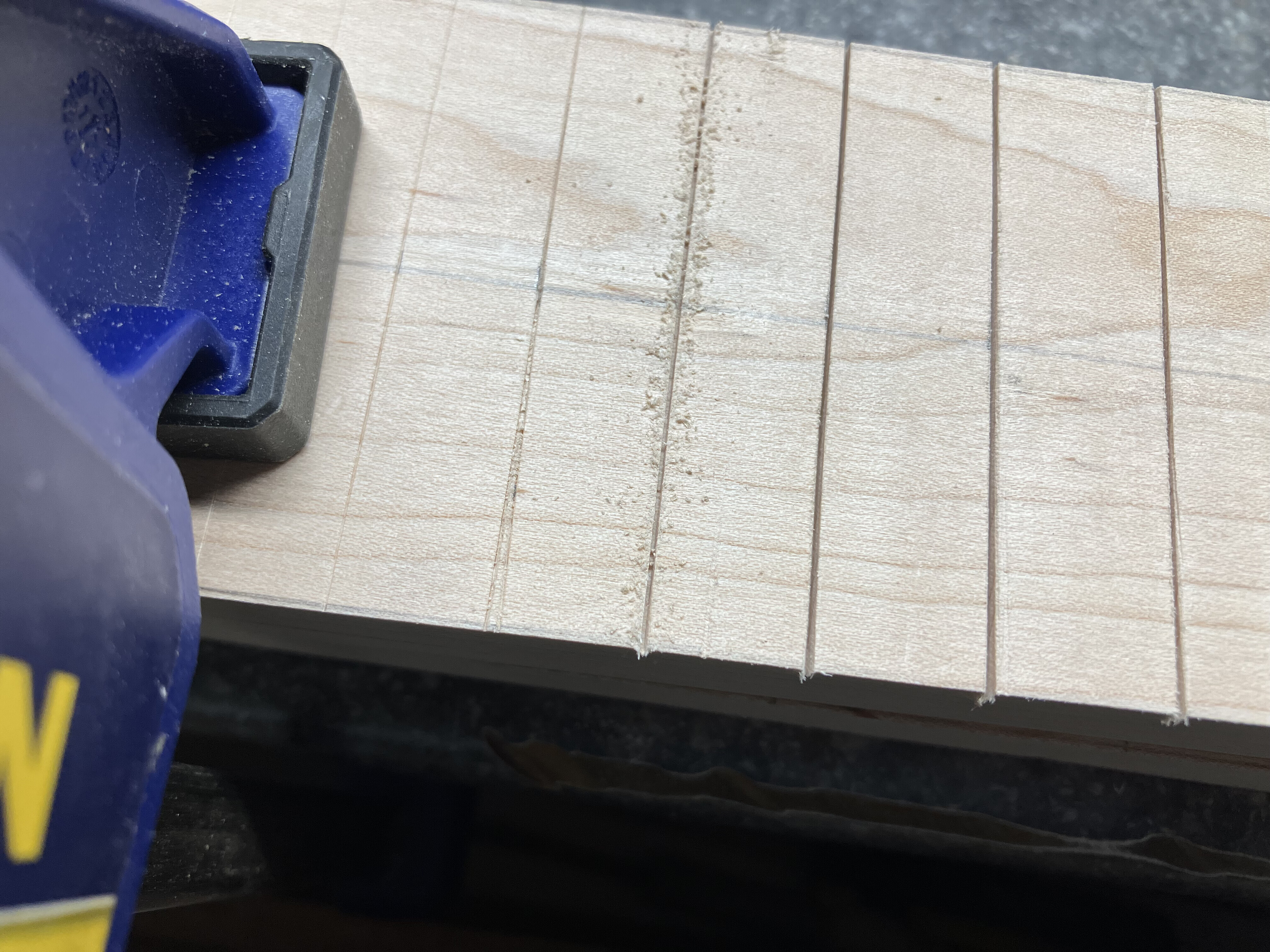
Figure 4: For a long time I was scared of cutting the fret slots. But it wasn't too bad. Cutting them freehand may have been a mistake. Or maybe I just went too fast. In this photo you can see some places where I missed the line.
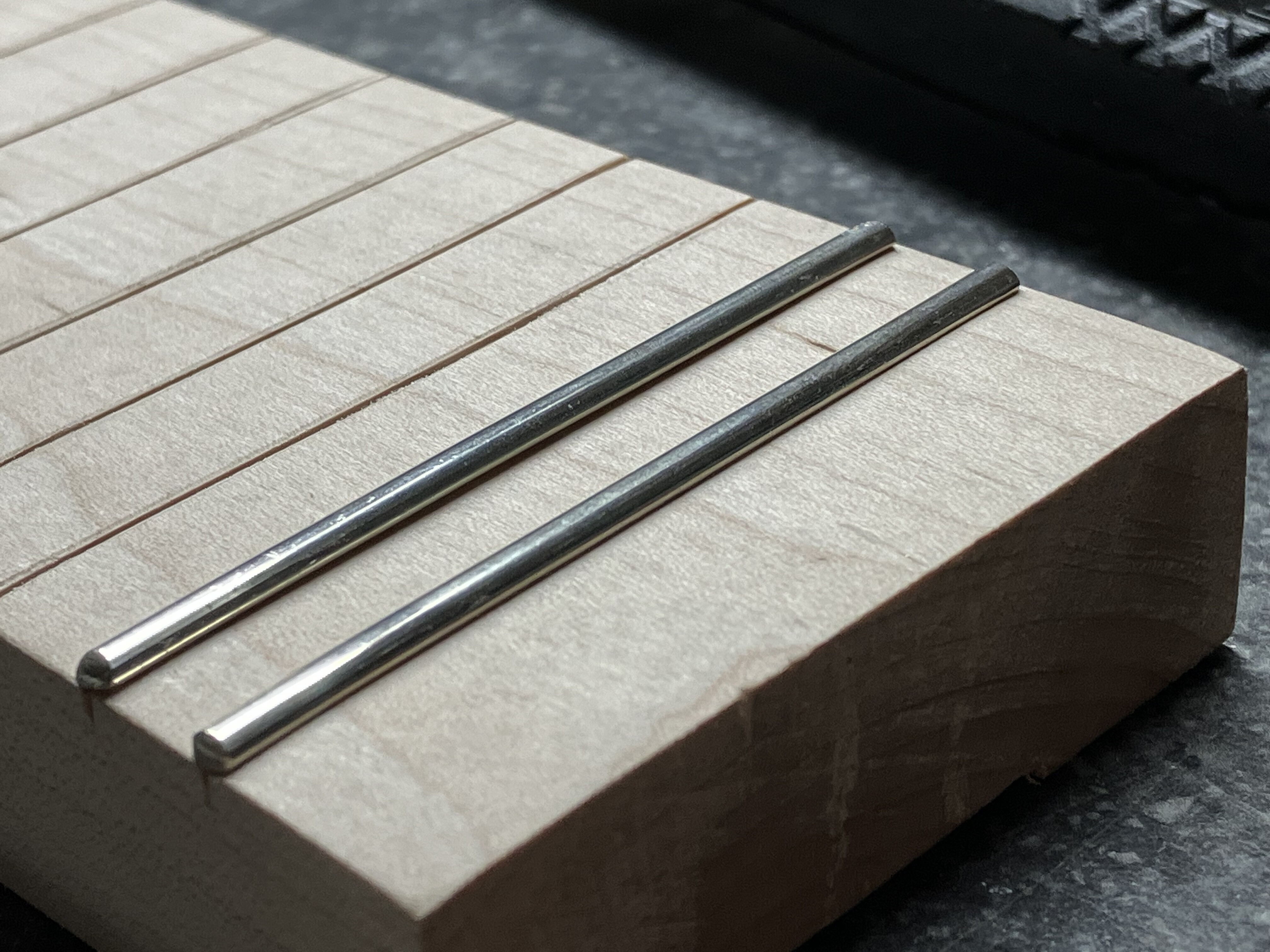
Figure 5: Hammering frets takes some skill. Skill comes from practice. Practice is something I don't have yet.
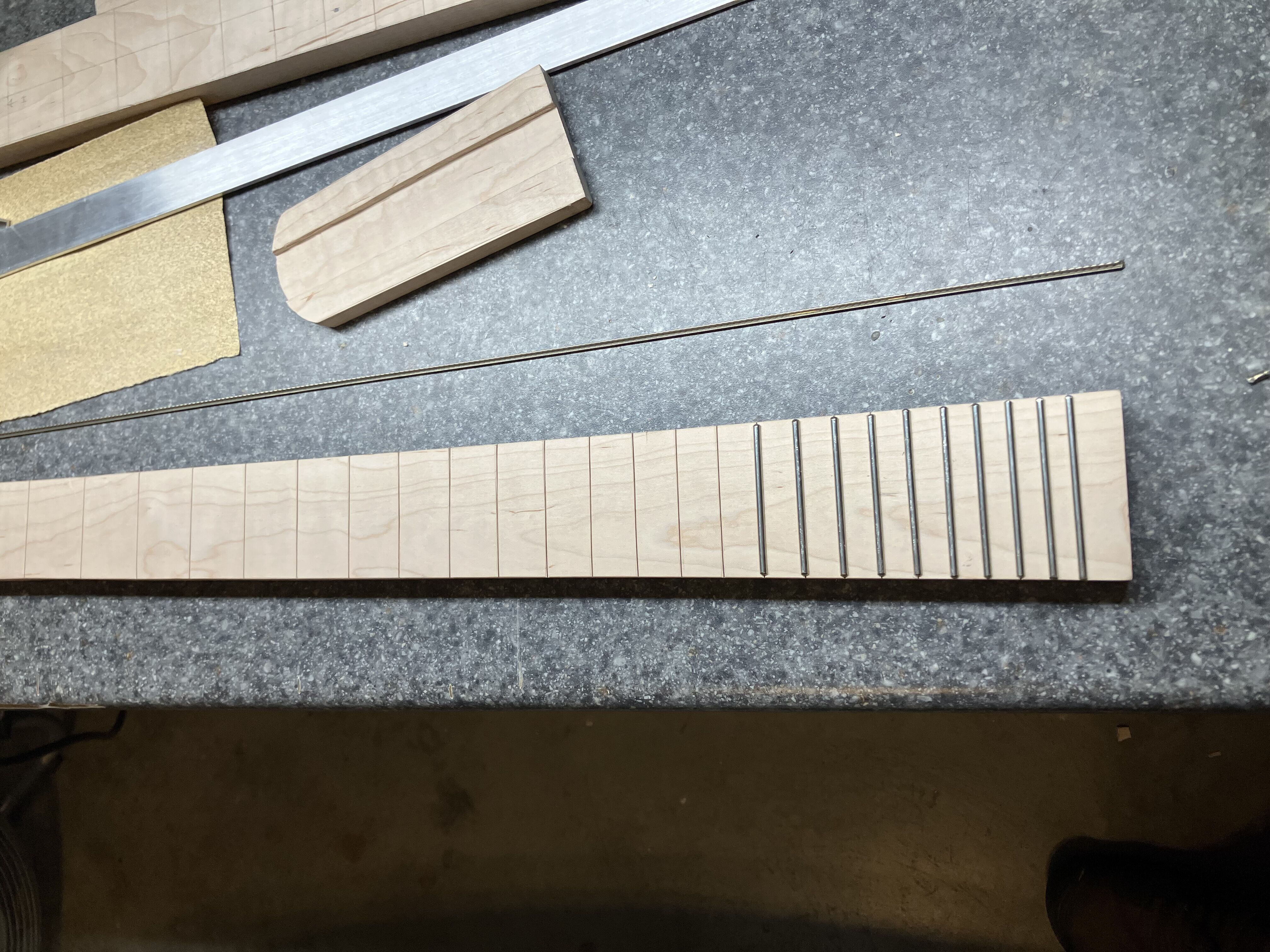
Figure 6: More frets. I could have stopped at 24, but I had enough neck to do 26. I'm reasonably happy with the fretwork, though it could use a little fine-tuning. Next time I need to change strings I'll do a bit more work.
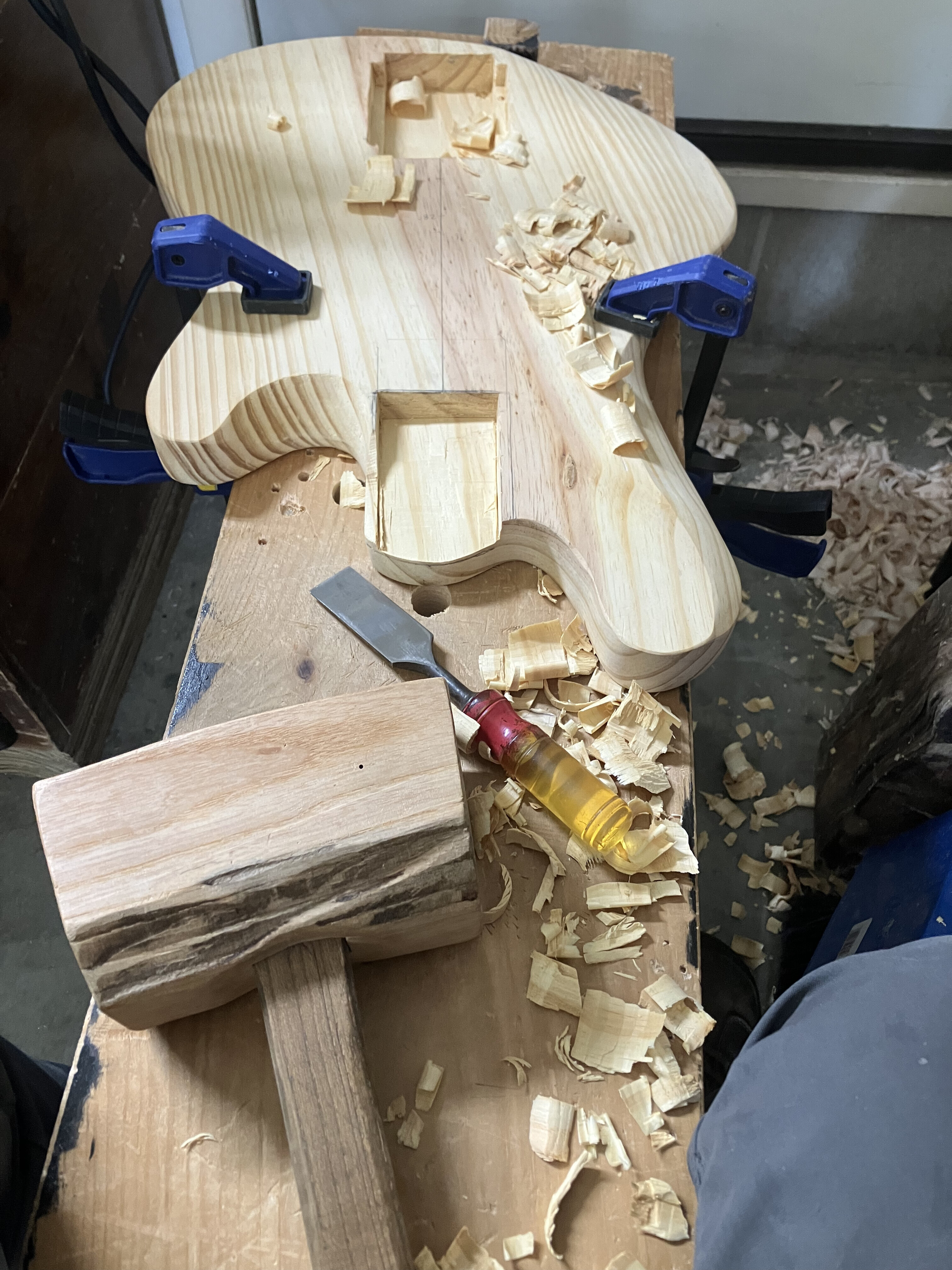
Figure 7: Then it was time to carve recesses into the body for the neck and pegbox. The traditional tool for this job is a router, but a hammer and chisel also work.
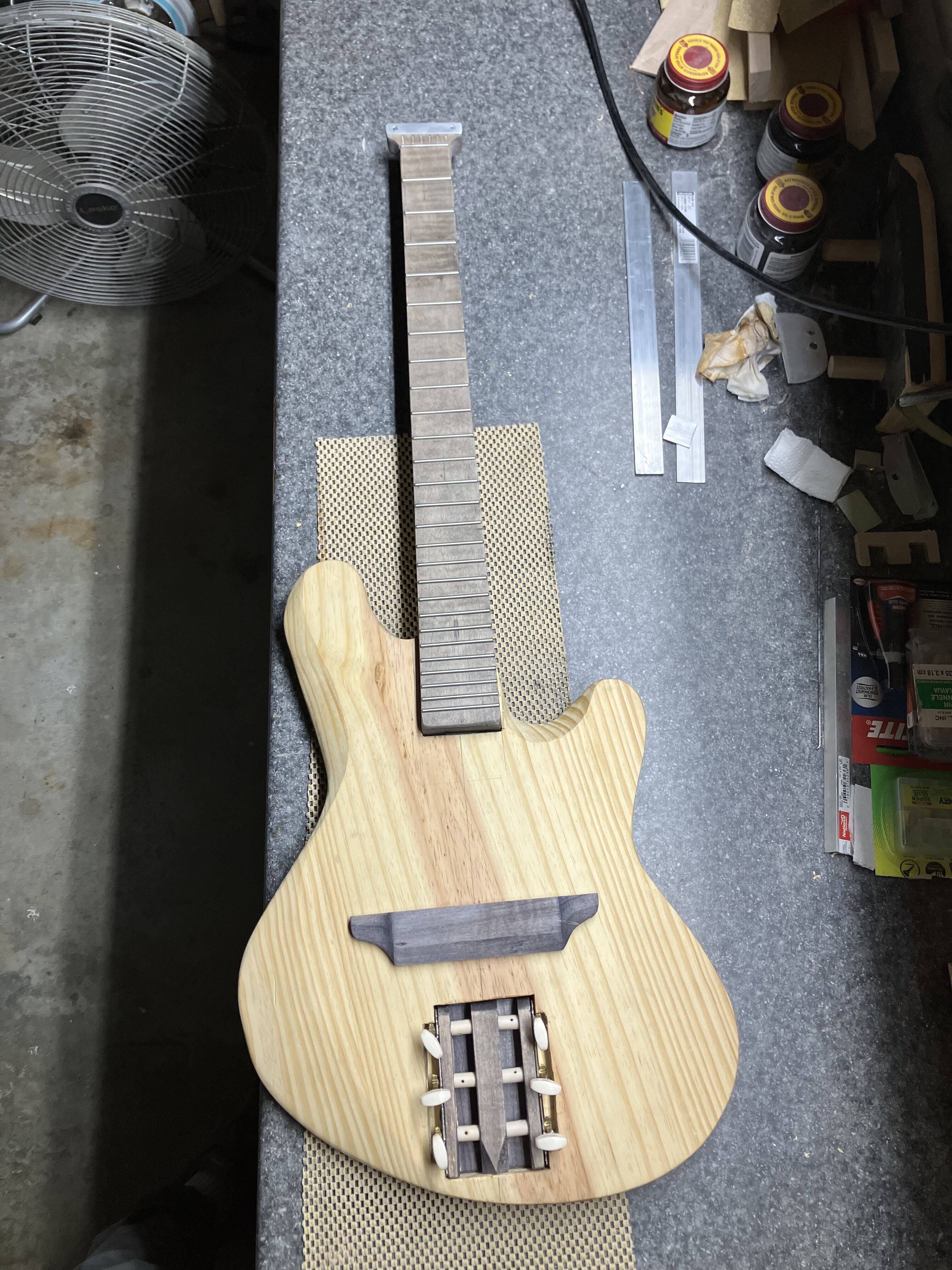
Figure 8: Next I added a bridge. The height of the neck relative to the depth of the neck pocket resulted in a rather high bridge.
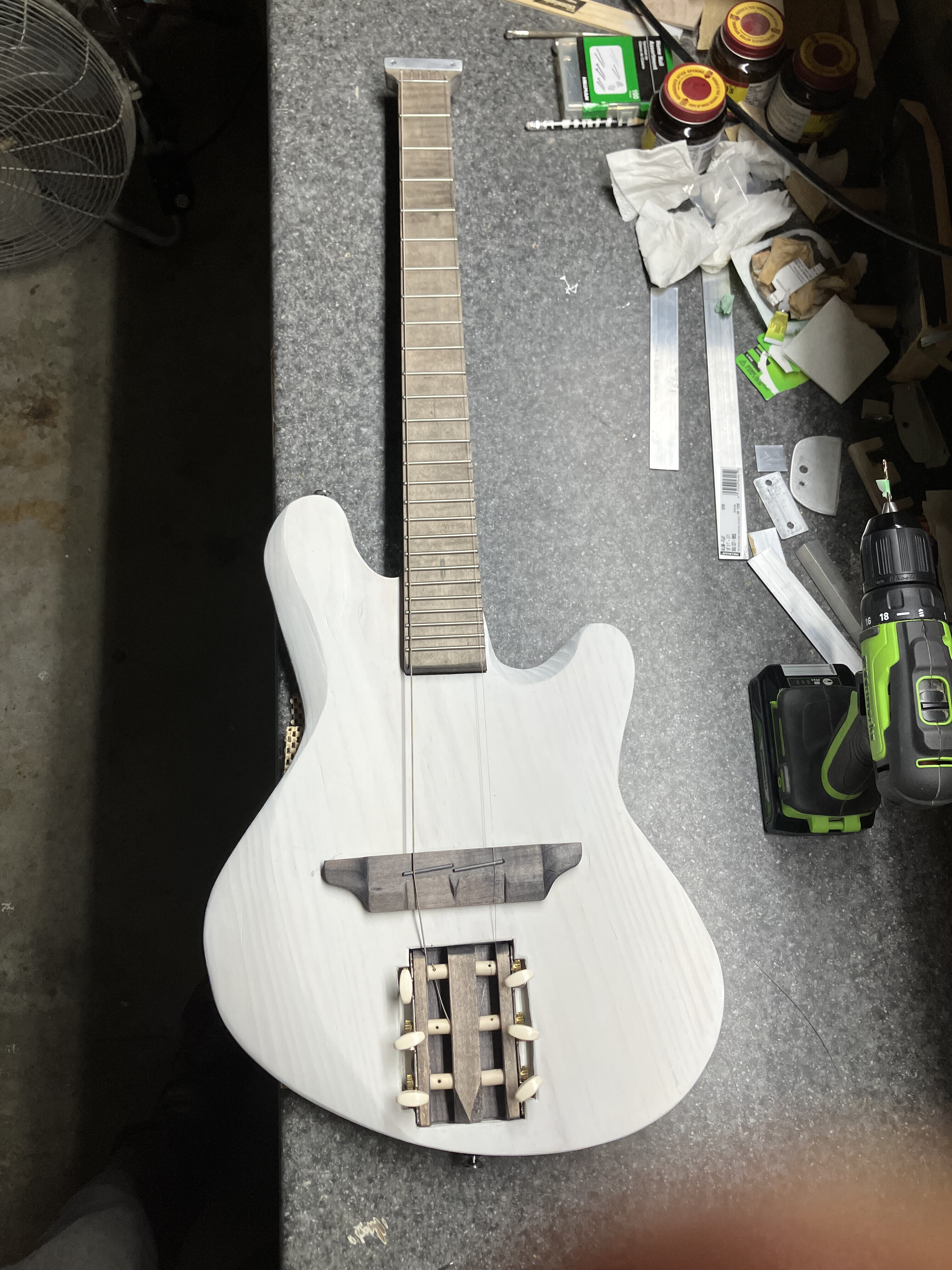
Figure 9: First time adding strings, making sure the neck is straight and the bridge placement is good.
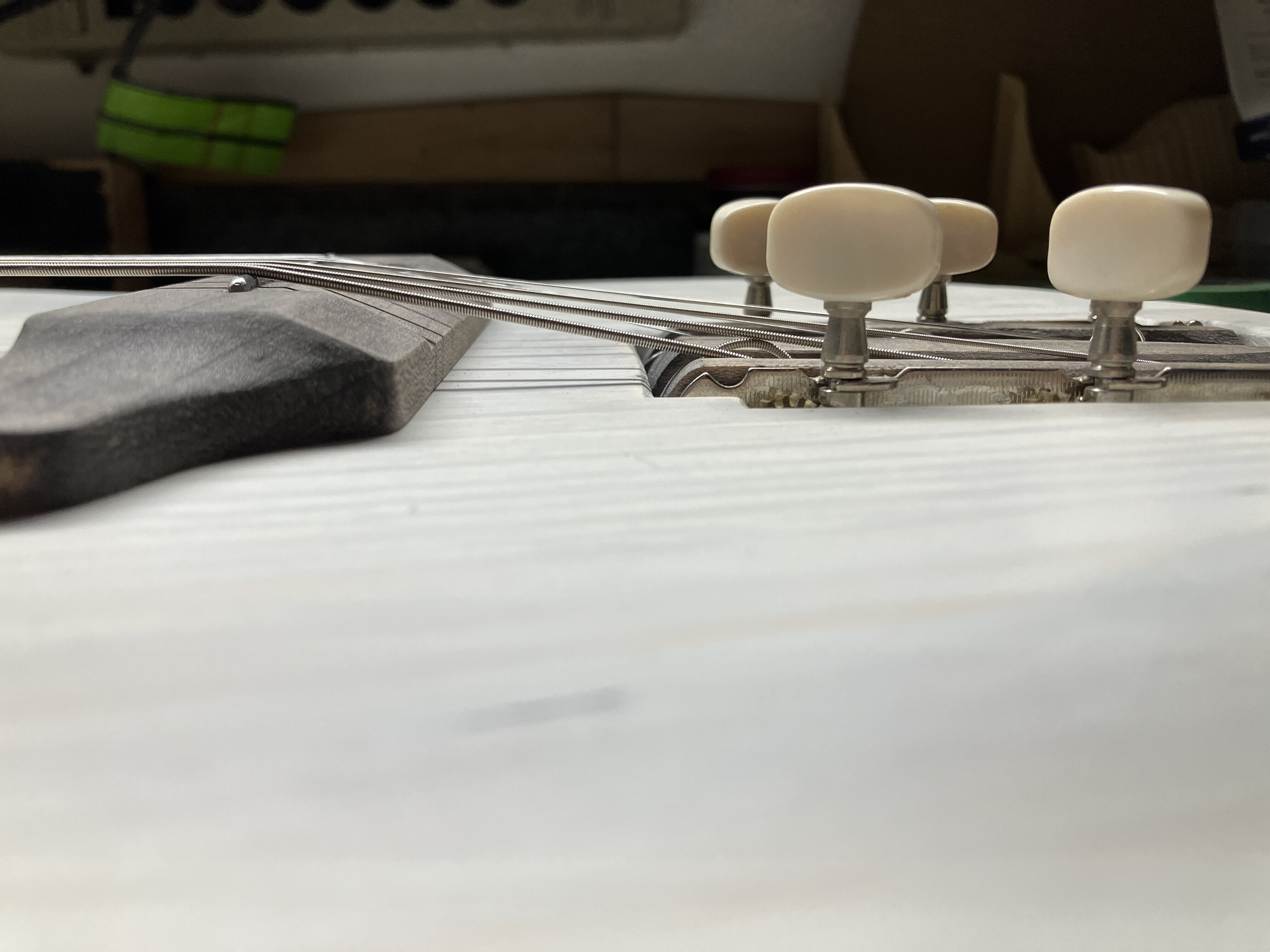
Figure 10: All strings added. It lives! Later I added a string retainer so the break angle was more consistent from string to string.
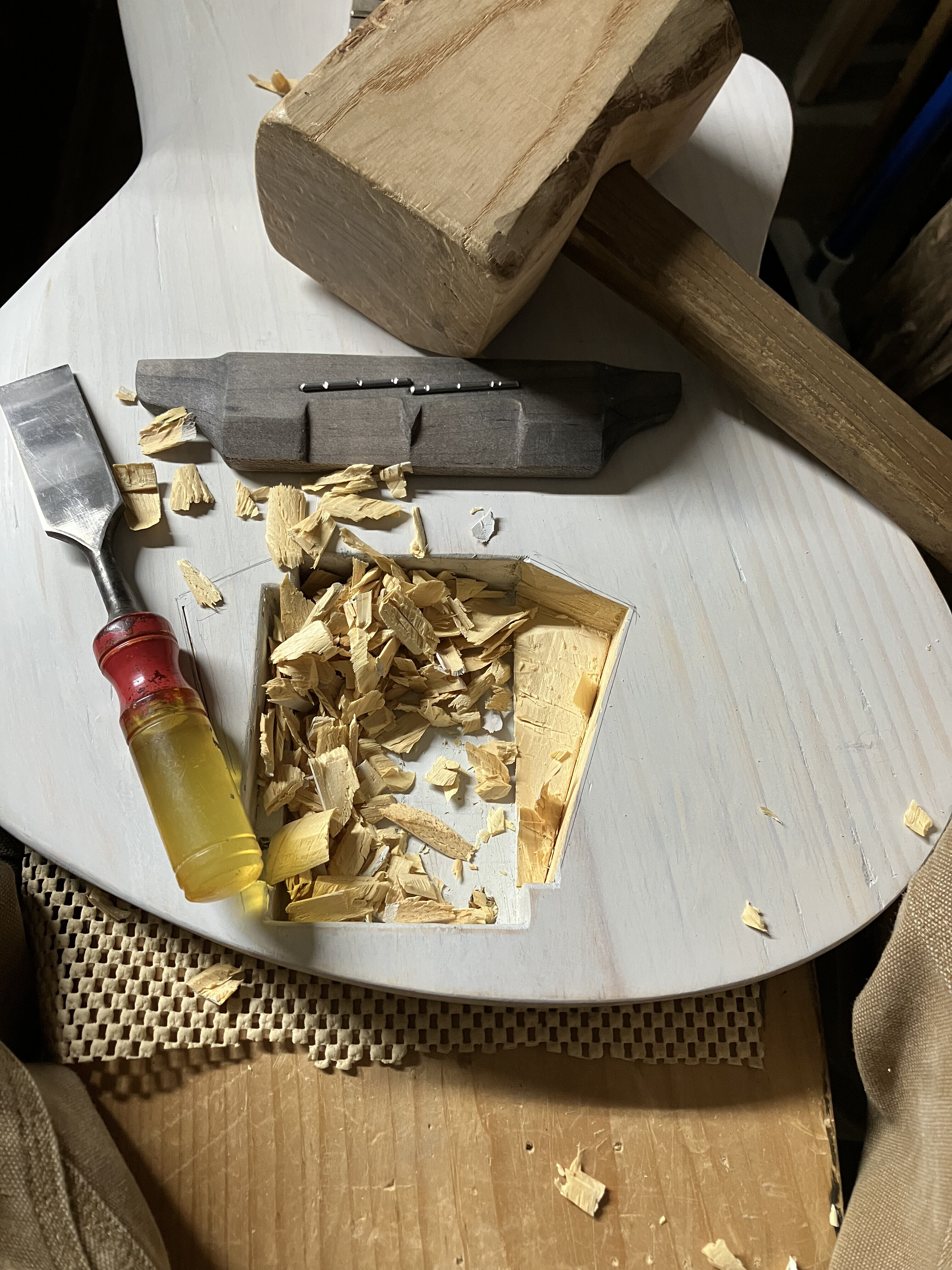
Figure 11: I replaced the nylon string tuners with steel string tuners and angled them to account for string spacing.
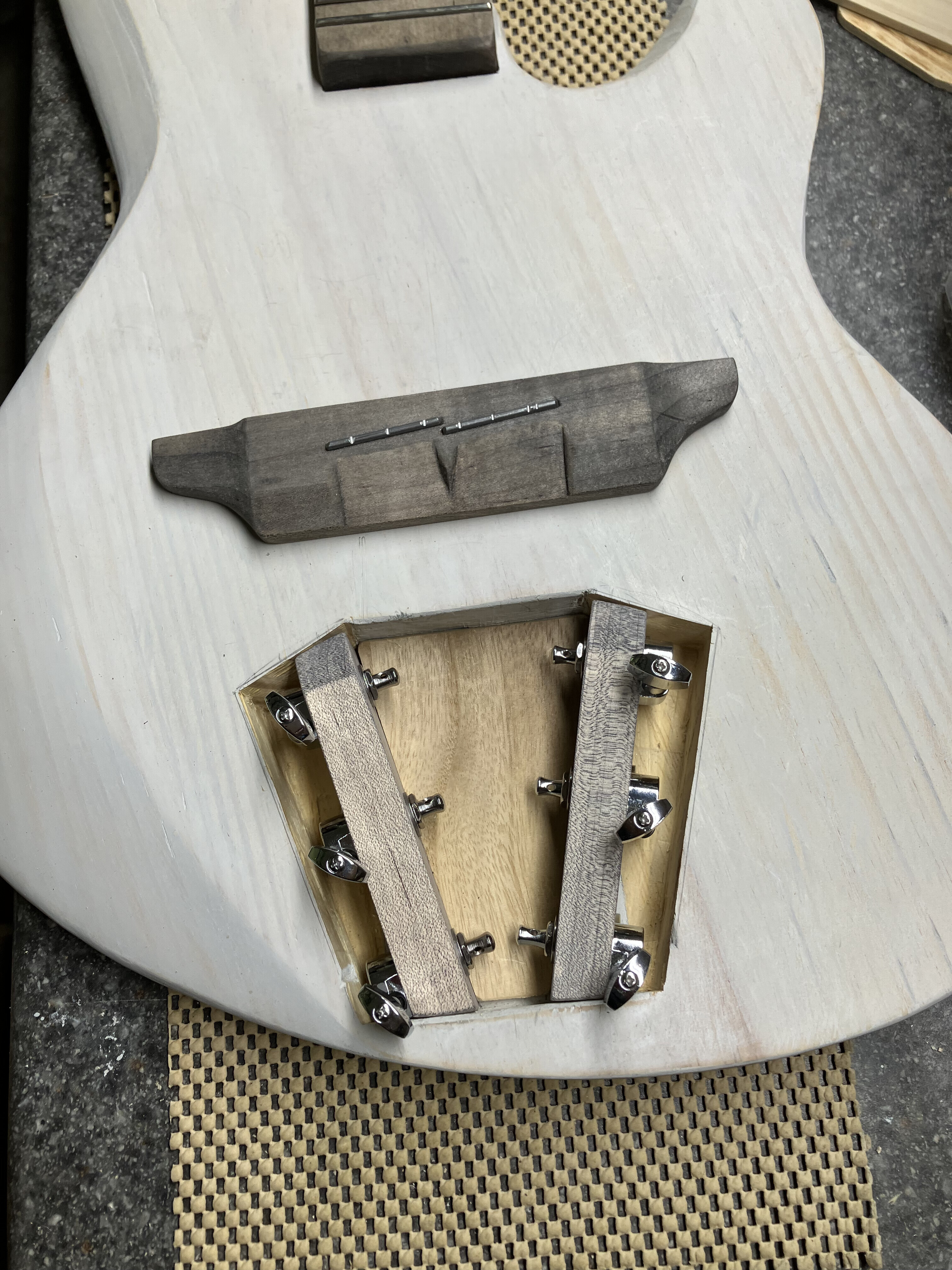
Figure 12: The plank of wood in the center is from a board one of my kids broke during their taekwondo purple belt exam.
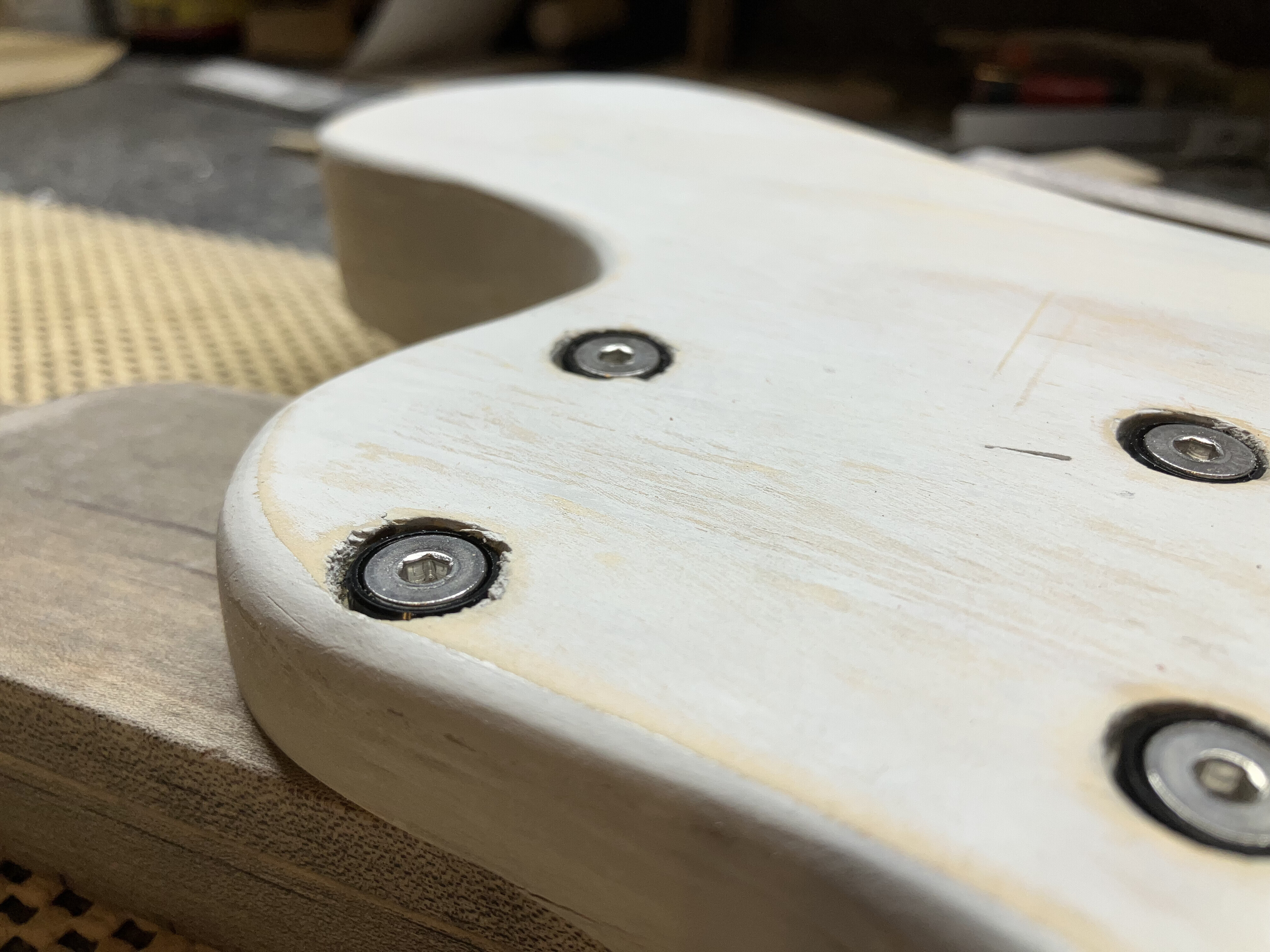
Figure 13: Close up of the neck heel. It's difficult to drill clean holes in pine, especially without a drill press.
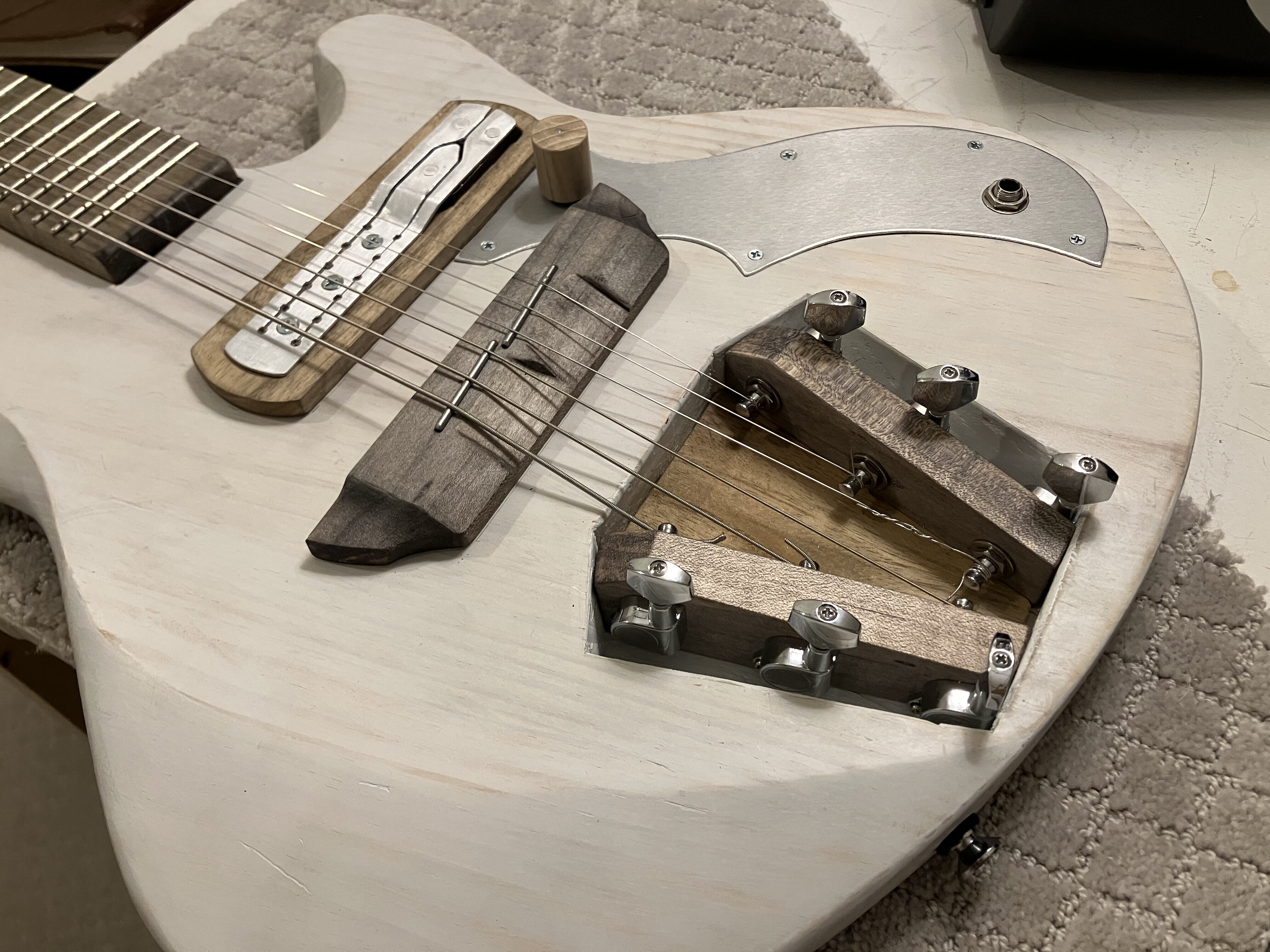
Figure 14: Electronics and pickguard added.
Thoughts
Building a guitar is a complex woodworking project with some precision details that have to be exactly right or the guitar won't function. The typical advice to beginner builders to start with a simple and well-known design such as a Telecaster style guitar. This lets you choose how big of a bite you want to take - it's easy to find prebuilt necks, pickups, and even complete pre-soldered wiring kits. This increases you chances of finishing successfully and reduces your chance of getting discouraged and it's good advice.
That said, I'm glad I was ambitious in trying a number of unusual features all at once for my first build. The end result is functional and I'm encouraged to build a second instrument.
What worked well?
- The tuner arrangement was a surprise success. I wasn't sure if I'd like it but the first time I tuned the guitar to pitch I became a believer. Having the tuners right beside your picking hand means you can pluck a string and tune it with minimal movement. When the tuners are at the other end of the guitar, you generally need to cross your hand over your body to tune, or use your fretting hand to tune, which leaves the other strings unmuted. But having the tuners by your picking hand I think makes for a better tuning experience.
- Having the tuners in the body makes the headstock unnecessary, which improves balance. It's also easier to set down or lean against a wall because the tuners aren't vulnerable to accidental bumps.
- This is my first baritone guitar and I like the low tuning.
- The infinite radius (flat) fingerboard has some of that precision feel you get with a classical guitar but with a thin electric-style neck and higher-tension steel strings it's a unique experience that I quite like.
- I like the wide flat back of the neck. It encourages good left hand posture for barre chords.
What didn't work well?
- The nearly square neck profile is uncomfortable when you wrap your thumb around the bass side.
- The break angle at the zero fret and bridge was too shallow at first. Adding a string retainer behind the bridge fixed it but feels like a hack. The string anchors at the "head" end of the neck are a chunk of aluminum that doesn't quite fit the depth of the neck.
- I made some mistakes when cutting the frets and ended up having to take the neck width down slightly, which foiled my plan to have an extra-wide neck with generous string spacing. It's still wider than a typical electric guitar neck but not as wide as I planned.
What will I do differently next time?
- The next neck will have a conventional truss rod. This neck is functional, but being able to adjust the neck would improve some minor setup issues.
- I'll give the sides of the neck a more rounded profile next time (but keep the wide and flat plane on the back).
- The pickup is slightly lower output than I'd like. The next pickup will be a similar design but with more transformers and possibly a larger primary coil. I might wind a custom transformer myself.
- More pickups or adjustable-position pickups.
- The string anchor at the "headstock" end of the neck currently also does the job of setting the string spacing. As such, it should really be a precision machined piece to guide the strings to exact locations.
What Next?
For my next build I am a little torn. On one hand, I'd like to do another baritone similar to this one but applying the lessons learned. On the other hand, I don't have a bass guitar…